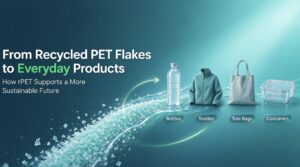
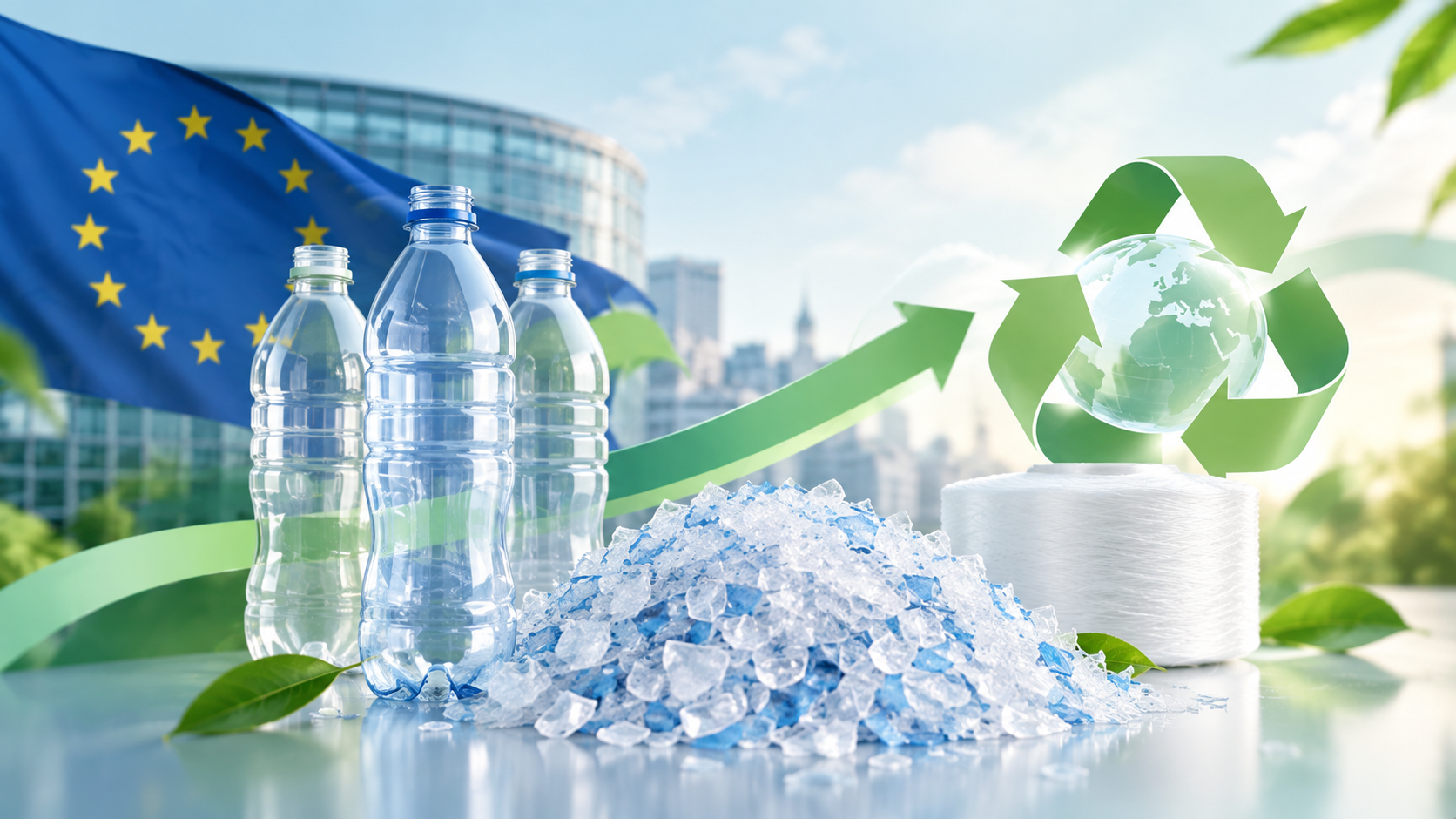
As global sustainability targets transition from voluntary commitments to strict legal obligations, the plastic packaging and manufacturing industries are facing a transformative moment. For businesses operating in or exporting to the European Union, one upcoming milestone demands immediate action: the EU’s mandatory 25% recycled PET (r-PET) mandate.
Enforced under the EU Single-Use Plastics Directive (SUPD), this legislation requires all PET beverage bottles placed on the EU market to contain at least 25% post-consumer recycled plastic by 2025/2026, scaling up to 30% across all beverage bottles by 2030.
Is your supply chain equipped to meet these stringent standards? What are the risks of non-compliance, and how can manufacturers secure a reliable source of high-purity recycled materials? Let’s dive into the implications of this regulation and how proactive businesses are turning regulatory pressure into a competitive edge.
- Understanding the Policy: The EU SUPD & PPWR Directives
The European Union’s drive toward a circular economy is rooted in two critical regulatory frameworks:
The Single-Use Plastics Directive (SUPD): Sets explicit recycled content targets for single-use PET bottles, forcing brand owners and manufacturers to integrate post-consumer resin (PCR) into their packaging.
The Packaging and Packaging Waste Regulation (PPWR): Broadens the scope beyond beverage containers, imposing strict “Design for Recycling” (DfR) performance grades and requiring traceable, high-quality recycled input across all packaging categories.
These policies mean that simply using recycled material is no longer enough. Regulatory bodies and EU customs authorities are increasing scrutiny on traceability, food-contact compliance, and contamination thresholds.
- The Key Challenges Facing Global Manufacturers
While the path toward a zero-waste future is clear, adapting to the 25% r-PET mandate presents several operational hurdles for packaging producers, converters, and brand owners:
A. Severe Supply Deficits of Food-Grade & High-Purity r-PET
Demand for premium recycled PET has surged across Europe, creating a supply bottleneck. Many overseas buyers struggle to find consistent suppliers capable of delivering industrial-volume r-PET that satisfies tight technical and safety specifications.
B. Quality Instability & Processing Inefficiencies
Low-grade recycled flakes often contain unwanted impurities, PVC contamination, or high color variations. Using inconsistent raw materials leads to machine downtime, yellowing, reduced mechanical strength, and higher defect rates in thermoforming or bottle blowing.
C. Regulatory Risks and Traceability Requirements
Under EU regulations, importers must prove the origin and authenticity of their recycled content. Using untraceable materials exposes businesses to non-compliance penalties, EPR (Extended Producer Responsibility) eco-taxes, and potential greenwashing accusations.
- How RePlastic Helps You Stay Ahead of EU Compliance
To navigate this regulatory shift smoothly, manufacturers need more than just a raw material supplier—they need a long-term, compliance-driven partner. At RePlastic (瑞塑环球资源), we provide industrial-grade, highly dependable r-PET Bottle Flakes tailored for international standards.
Here is how our r-PET solutions secure your supply chain:
Uncompromising Material Purity & Consistency
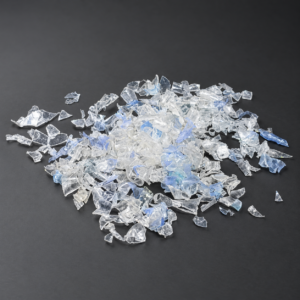
Our advanced washing, optical sorting, and filtration processes ensure extremely low contamination levels (minimal PVC, glue, and moisture content). With consistent flake sizing and high intrinsic viscosity (IV), RePlastic r-PET processes smoothly on high-speed production lines without degrading performance.
Measurable Scope 3 Carbon Reduction
Switching to RePlastic r-PET flakes directly reduces your product’s carbon footprint compared to virgin PET resin, helping your brand meet corporate ESG goals and qualify for favorable EPR tax brackets in the EU.
Transparent Traceability & Compliance Support
We prioritize supply chain transparency. Our r-PET materials come with full documentation and quality testing sheets, ensuring your finished goods meet strict international regulatory standards and audit trails.
- Key Takeaways: Action Steps for Packaging Buyers in 2026
To avoid supply disruptions and penalty fees, manufacturers should take proactive steps today:
Audit Your Current Recycled Content Ratio: Evaluate your product formulations across all SKUs to determine the gap between your current PCR percentage and the mandatory 25–30% EU thresholds.
Secure Long-Term Sourcing Contracts: Relying solely on local spot markets leaves your production vulnerable to price spikes and shortages. Partner with stable, large-capacity exporters.
Test & Validate High-Grade Flakes Early: Conduct trial runs with high-purity r-PET flakes to optimize extruder settings, IV preservation, and color control before full-scale commercialization.
Secure Your Sustainable Sourcing with RePlastic
The EU’s 25% recycled PET mandate isn’t just a regulatory hurdle—it is a strategic opportunity to lead in sustainable packaging and gain market share in Europe.
At RePlastic, we are committed to bridging the gap between plastic waste and high-performance industrial applications. Whether you require premium r-PET Bottle Flakes or eco-friendly bio-based additives like ESBO, our expert team is ready to support your green transition.
The EU’s 25% recycled PET mandate isn’t just a regulatory hurdle—it is a strategic opportunity to lead in sustainable packaging and gain market share in Europe.