rPET: Giving Waste Plastic Bottles a “Next Life”
Plastic is ubiquitous, from clothing and beverage packaging to household goods and car parts; modern life is almost inseparable from it. However, how to responsibly manage plastic waste is becoming a global challenge. rPET (recycled polyethylene terephthalate) offers a practical solution: collecting, sorting, cleaning, and processing used PET bottles into recycled PET fragments, which can then be used to manufacture new products.
What is rPET?
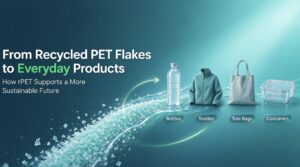
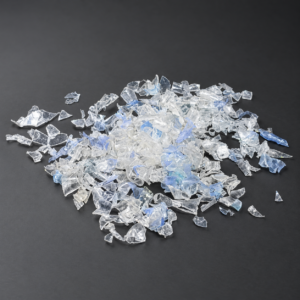
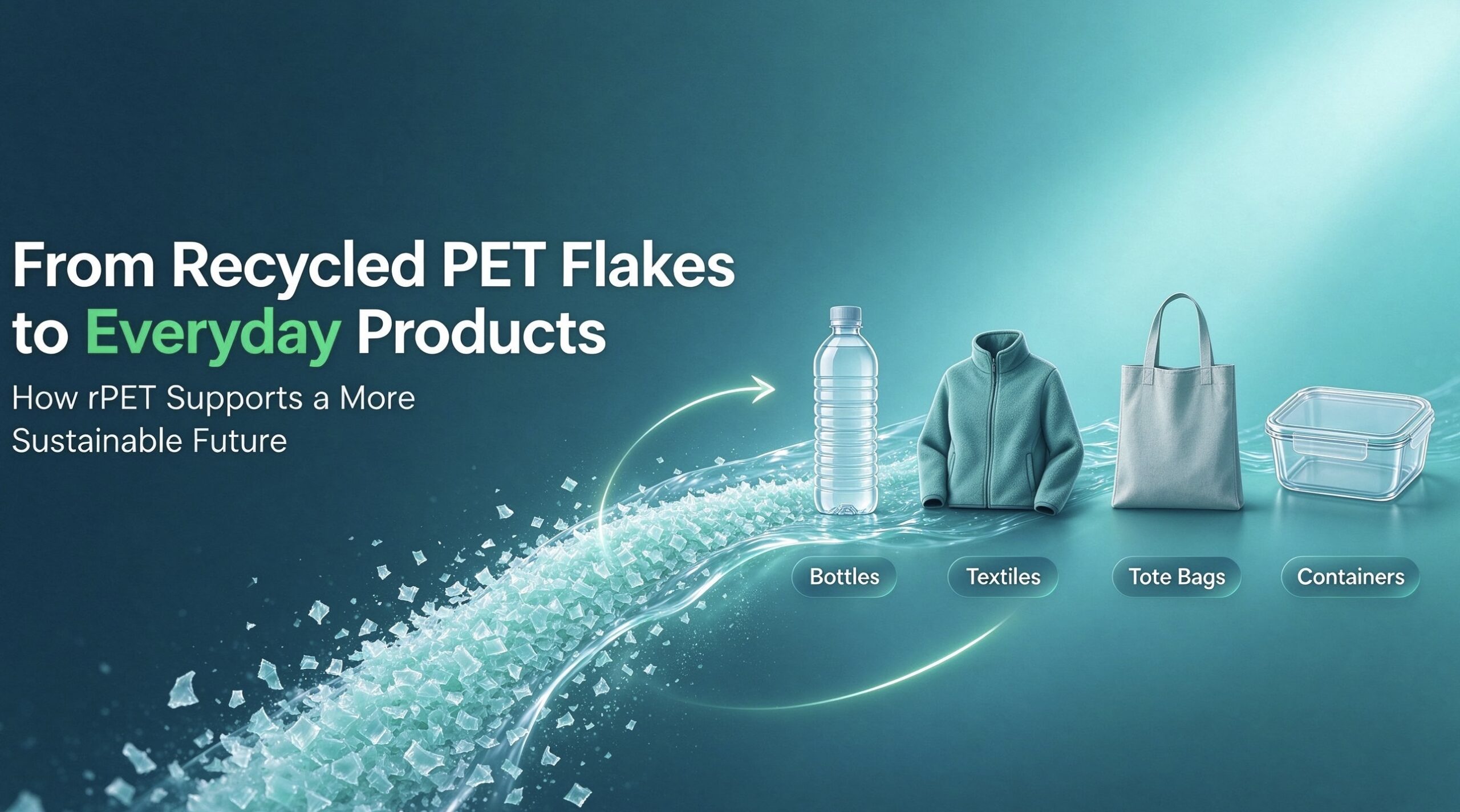
rPET is an abbreviation for recycled PET. A common intermediate form is rPET fragments. After sorting, removing labels and caps, crushing, and cleaning, waste PET bottles can be processed into recycled fragments, which can then be further made into fibers, granules, sheets, packaging materials, etc. The core logic is simple: don’t treat waste PET as garbage, but rather recover its material value, allowing it to re-enter the production cycle.
Where can it be used?
Textiles and Apparel: rPET can be made into recycled polyester fibers for T-shirts, jackets, sportswear, backpacks, bags, carpets, home textiles, and non-woven fabrics. A beverage bottle might end up as part of a sports jacket or backpack.
Packaging: PET is transparent, strong, and lightweight, making it widely used in packaging. rPET can be used for bottles, containers, thermoformed trays, packaging sheets, etc. However, food contact applications require appropriate recycling processes, pollution control, and regulatory compliance; not all grades are suitable.
Home Products: Storage items, home textiles, blankets, fillings, decorative fabrics, and some plastic parts are all potential applications for rPET.
Automotive and Industrial: Automotive interior textiles, carpets, sound-absorbing and heat-insulating materials, industrial fabrics, webbing, and some technical textiles can also use rPET, but they need to meet requirements for strength, consistency, durability, and processing stability.
How does it relate to daily life?
Imagine: After finishing a bottle of water, you put the empty bottle in a suitable recycling bin. After collection, sorting, and processing, it may become rPET fragments and then enter new products. In this process, consumer participation is only the first step; effective collection systems, accurate sorting, appropriate technology, stable quality control, and the demand for recycled materials are equally crucial.
Environmental Significance and Practical Boundaries
The value of rPET lies in its ability to partially replace virgin PET in appropriate applications, utilizing existing material resources, providing a pathway for waste PET to re-enter the manufacturing process, and supporting the circular economy and corporate sustainability goals.
However, environmental benefits are not automatic. They depend on collection efficiency, recycling technology, energy consumption, transportation, product performance, and whether the recycled material truly replaces the virgin material. Similarly, rPET is not synonymous with “naturally safe.” When used in food contact, textile, household, or industrial applications, it must meet relevant quality and regulatory requirements.
Why Quality Matters
The quality of rPET fragments directly impacts downstream processing and final products. Key indicators include intrinsic viscosity (IV), moisture content, PVC contamination, color, and impurity control. Different applications have different specification requirements; therefore, reliable sourcing, stable production, appropriate testing, and transparent technical documentation are all important when selecting suppliers.
Conclusion
rPET demonstrates how waste plastic bottles can be transformed into new clothes, backpacks, home textiles, packaging, and industrial materials. It connects waste recycling with sustainable manufacturing, but truly realizing its value requires responsible collection, advanced recycling, strict quality control, and proper application. A more sustainable future requires collaboration among consumers, recyclers, material suppliers, manufacturers, and brands to keep valuable materials in the cycle for longer.