Global environmental regulations are tightening at an unprecedented pace. From the EU’s REACH regulation to the RoHS directive, traditional phthalate plasticizers (such as DOP and DBP) are being phased out or restricted due to their reproductive toxicity and environmental persistence. For PVC processing and manufacturing companies, finding efficient, safe, and regulatory-compliant green alternatives has gone from a “bonus” to a “must-have” for their survival.
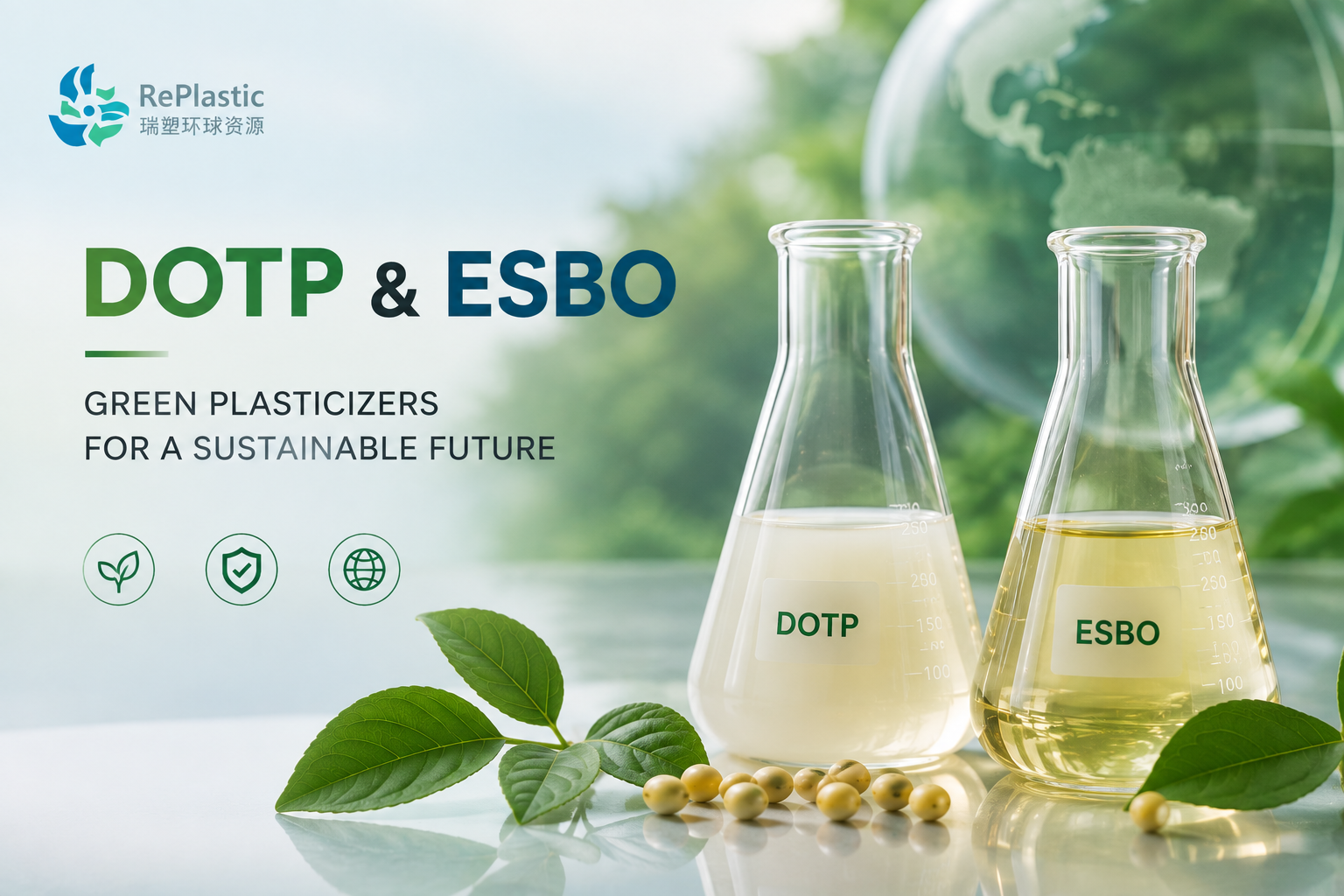
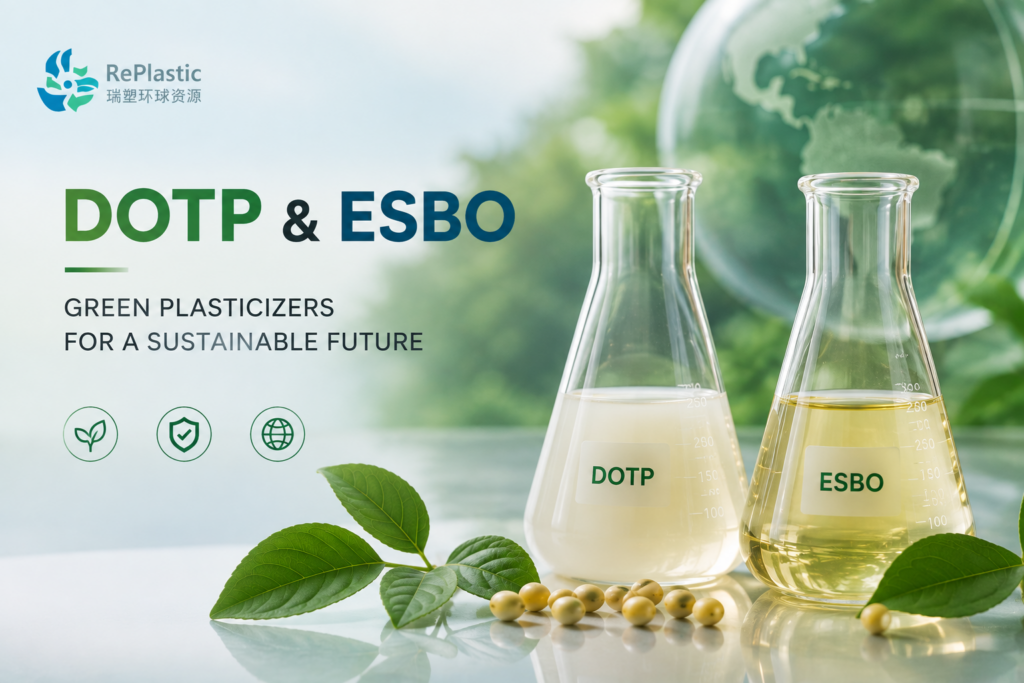
Among the many green alternatives, green DOTP (dioctyl terephthalate) and epoxidized soybean oil (ESBO), with their excellent overall performance and environmental properties, are becoming the strongest combination for the PVC industry chain to cope with environmental regulations.
I.Green DOTP: The Industry Benchmark for High-Performance Non-Phenylene Plasticizers
As a major alternative to traditional phthalate plasticizers, DOTP (dioctyl terephthalate) completely eliminates the phthalic acid ring structure in its molecular structure and is free of SVHCs, a key concern under REACH regulations.
Compliance Guaranteed, Global Market Access: Compliant with EU REACH, RoHS, and FDA food contact grade certifications, helping companies overcome export trade barriers.
Outstanding Physical Properties: Extremely low volatility and excellent heat and extractability significantly extend the lifespan of PVC products.
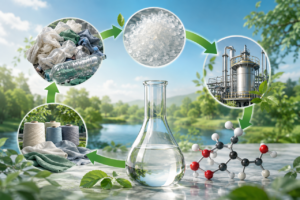
Chemical Recycling Enables Green Upgrade: Combining the latest chemical recycling technologies (such as recovering terephthalic acid from waste polyester/PET textiles), green DOTP further reduces its carbon footprint, achieving a leap from “environmentally friendly and non-toxic” to “low-carbon and circular.”
II.Epoxidized Soybean Oil (ESBO): Dual Enhancement of Bio-based Plasticization and Thermal Stability
If DOTP solves the environmental compliance issues of primary plasticizers, then epoxidized soybean oil (ESBO) is the “golden bio-based partner” for enhancing the overall performance of PVC.
100% Renewable Bio-based: Made from natural soybean oil, it possesses extremely high sustainability and low-carbon properties.
Synergistic Effect of Plasticizing and Heat Stabilization: ESBO contains highly reactive epoxy groups, which can effectively absorb the released hydrogen chloride (HCl) during PVC processing, preventing polymer degradation and thus reducing the amount of traditional heat stabilizers used.
Improved Weather Resistance and Migration Resistance: When used in conjunction with primary plasticizers, it can significantly reduce the migration rate of plasticizers to surfaces, improving the light resistance and aging resistance of PVC products.
III.Synergistic Effect: The Optimal Combination of Green DOTP + ESBO
III. Synergistic Effect: The Optimal Combination of Green DOTP + ESBO In actual PVC formulation design, a single plasticizer often struggles to meet all performance and cost requirements. Combining green DOTP with ESBO can generate a powerful synergistic effect:Reduced Overall Cost: As a synergistic plasticizer, ESBO can partially replace the more expensive primary plasticizer, optimizing the overall formulation cost.
Balanced Processing and Physical Properties: DOTP provides excellent flexibility and resistance to high and low temperatures, while ESBO supplements thermal stability and anti-leakage properties, resulting in better flowability and a superior finished product appearance during PVC processing.
Coverage of High-Standard Applications: This combination is widely used in fields with extremely high safety and environmental requirements, such as medical devices (e.g., infusion tubing, blood bags), children’s toys, food packaging films, high-end automotive interiors, and low-smoke halogen-free cables.
Conclusion: Ushering in a New Era of Green and Low-Carbon PVC
Faced with increasingly stringent environmental regulations and consumers’ preference for green products, the upgrading and transformation of the PVC industry is imperative. By adopting a composite solution of green DOTP and epoxidized soybean oil (ESBO), companies can not only easily mitigate regulatory compliance risks, but also enhance their products’ market competitiveness and brand’s environmental image.