Introduction
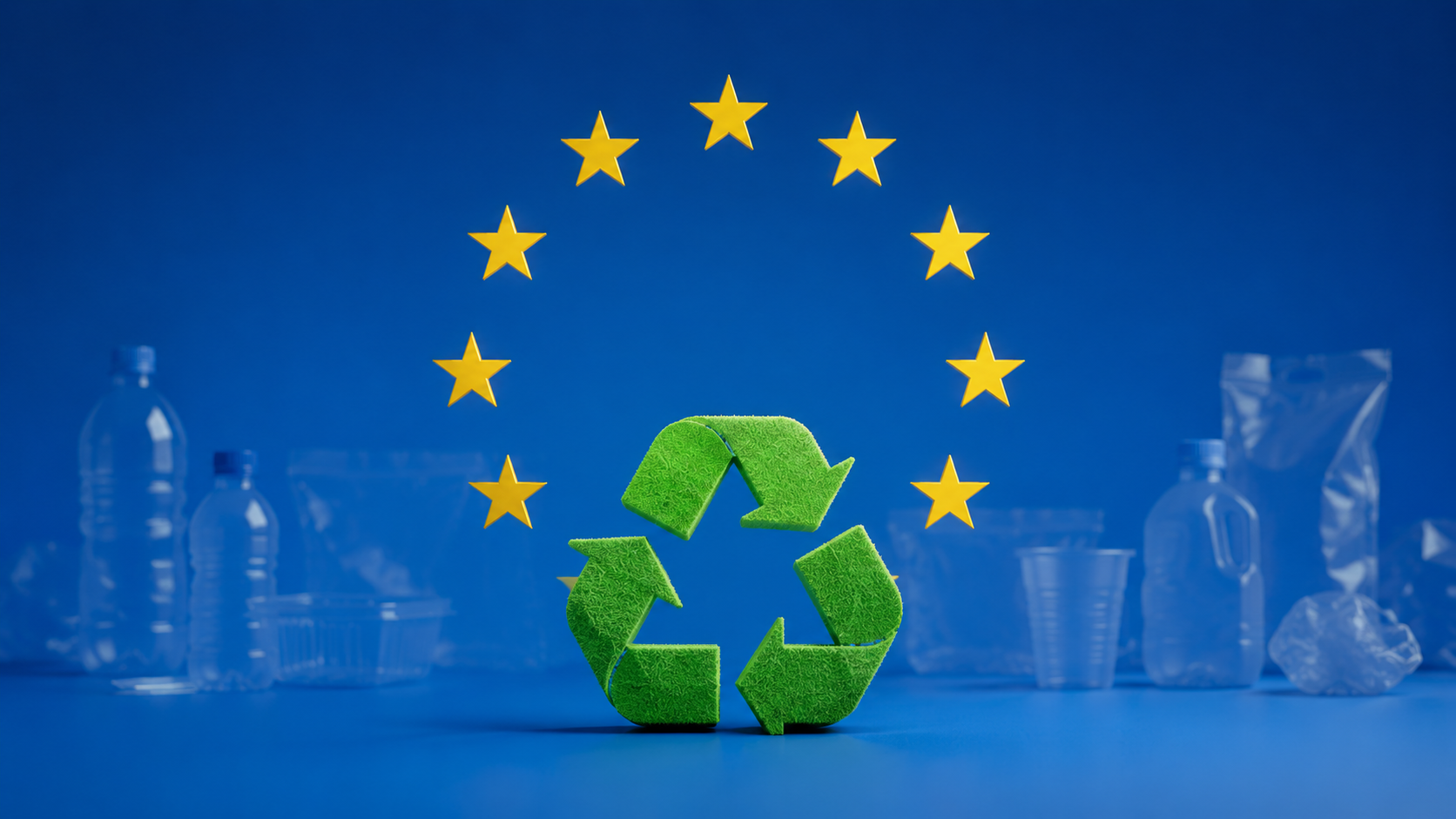
The European Union is accelerating its transition toward a circular economy through stricter packaging regulations. Among these initiatives, the Packaging and Packaging Waste Regulation (PPWR) is becoming an important factor shaping the future of plastic packaging and recycling.
For packaging manufacturers, converters, and recyclers, PPWR is not only a regulatory requirement but also a major driver of increasing demand for high-quality recycled PET (rPET) materials.
As companies work to reduce virgin plastic consumption and increase recycled content, reliable rPET flakes suppliers are becoming increasingly important partners in building sustainable plastic supply chains.
What Is PPWR Regulation?
The Packaging and Packaging Waste Regulation (PPWR) is an EU regulation designed to reduce packaging waste, improve recycling performance, and promote the use of recycled materials.
The regulation focuses on:
Improving packaging recyclability
Reducing packaging waste
Increasing recycled content
Supporting circular economy development
It impacts industries including beverage packaging, food packaging, plastic manufacturing, and recycling.
Why Does PPWR Increase Demand for rPET Flakes?
PET (Polyethylene Terephthalate) is widely used in bottles, packaging, textiles, and industrial applications. However, traditional PET production relies heavily on virgin raw materials.
rPET provides a sustainable alternative by recycling used PET bottles into recycled PET flakes.
The recycling process:
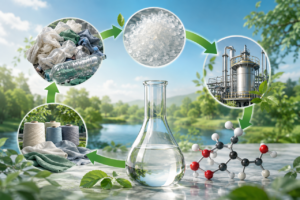
Used PET Bottles → Sorting → Washing → rPET Flakes → New Products
This circular process helps reduce plastic waste, lower dependence on virgin plastics, and support sustainability goals.
How PPWR Is Driving rPET Market Growth
- Increasing Need for Recycled Materials
As recycled content requirements continue to grow, manufacturers need stable supplies of high-quality recycled PET materials.
Demand is increasing for:
Clear PET flakes
Hot washed PET flakes
Fiber-grade rPET flakes
High-purity recycled PET materials
For buyers, consistent quality and reliable supply are becoming key factors when choosing suppliers.
- Growth of Closed-Loop Recycling
The packaging industry is moving toward bottle-to-bottle recycling, where used PET bottles are transformed into new packaging products.
This requires rPET flakes with:
High purity
Low contamination
Stable quality
Consistent performance
High-quality recycled PET materials help manufacturers maintain production efficiency while meeting sustainability requirements.
- Supporting Sustainability Targets
Using recycled PET helps companies:
Reduce virgin plastic consumption
Improve sustainability performance
Support ESG goals
Build circular supply chains
As global brands and manufacturers increase their sustainability commitments, the demand for recycled PET materials continues to grow.
What Should Buyers Look for in rPET Flakes?
When sourcing rPET flakes, buyers should consider both material quality and supplier capability.
Important quality factors include:
Color and appearance
Moisture content
PVC content
Impurity control
Intrinsic viscosity (IV)
Supplier reliability is also important, including:
Stable production capacity
Quality inspection process
Export experience
Technical documentation support
Applications of rPET Flakes
High-quality rPET flakes can be used for:
♻️ PET Bottles
Supporting bottle-to-bottle recycling and recycled content requirements.
🧵 Polyester Fiber
Used in textile and filament production.
📦 Packaging Materials
Providing recycled material solutions for sustainable packaging.
📏 Industrial Applications
Used in strapping tape, sheets, and other recycled plastic products.
How RePlastic Supports the Circular Economy
At RePlastic Global Materials, we supply recycled PET flakes for global customers seeking reliable recycled material solutions.
Our rPET products include:
✔ Hot Washed PET Flakes
✔ Fiber Grade rPET Flakes
✔ High Purity Recycled PET Materials
✔ Stable Export Supply
✔ Professional Documentation Support
We work with manufacturers and distributors worldwide to support sustainable plastic supply chains.
结论
The EU PPWR regulation is accelerating the transition toward a circular plastic economy. As recycled content requirements increase, high-quality rPET flakes are becoming an essential raw material for packaging, textile, and plastic industries.
From recycled bottles to valuable resources, rPET plays an important role in building a more sustainable future for plastics.